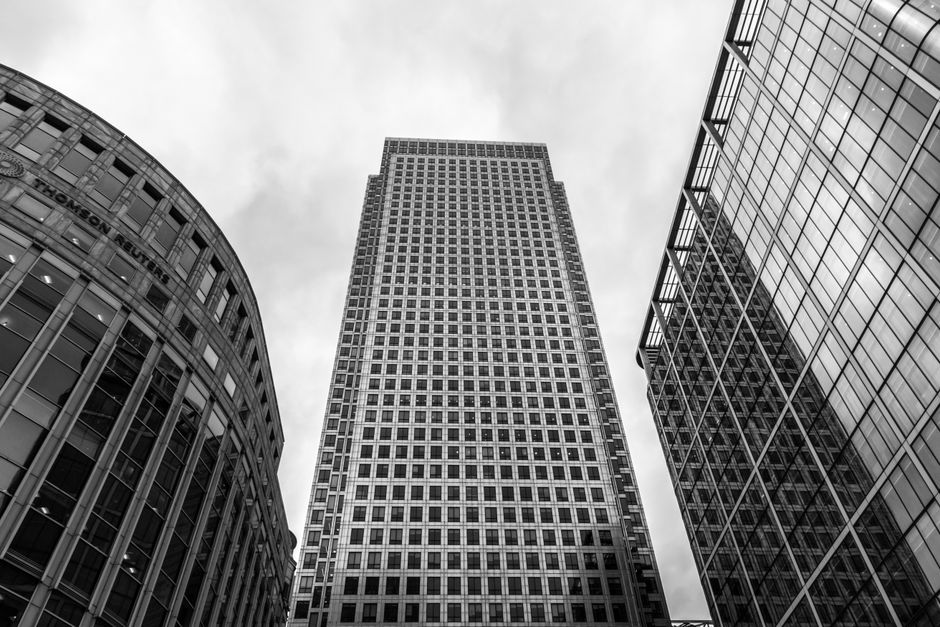
Carpet cleaning One Canada Square Canary Wharf: a practical guide for offices, managed spaces and busy commercial interiors
If you are looking into Carpet cleaning One Canada Square Canary Wharf, you are probably dealing with one of two things: a carpet that has simply taken a beating, or a space that needs to look sharp without disrupting the working day. In a building like One Canada Square, that matters. People notice floors more than they admit. A dull patch near a reception desk, a tired meeting-room runner, or a faint coffee mark in a corridor can quietly drag down the whole feel of a space.
Truth be told, carpet care in Canary Wharf is not just about appearance. It is about presentation, hygiene, safety, and making a professional impression that lasts past the first ten seconds. This guide explains how carpet cleaning works in a high-traffic office setting, what methods make sense, what to ask for, what to avoid, and how to choose a cleaning plan that fits the building, the lease, and the people using the space.
For readers comparing broader services too, it can help to look at related options such as office cleaning, deep cleaning, or even office cleaners if the carpet work is part of a wider maintenance schedule. Different jobs, different rhythms. That's the real world of it.
Expert summary: In a premium commercial building, carpet cleaning works best when it is planned, low-disruption, and matched to the carpet type and traffic level. The right method protects the pile, reduces downtime, and helps the space stay presentable between deep cleans.
Contents
- Why Carpet cleaning One Canada Square Canary Wharf Matters
- How Carpet cleaning One Canada Square Canary Wharf Works
- Key Benefits and Practical Advantages
- Who This Is For and When It Makes Sense
- Step-by-Step Guidance
- Expert Tips for Better Results
- Common Mistakes to Avoid
- Tools, Resources and Recommendations
- Law, Compliance, Standards, or Best Practice
- Options, Methods, or Comparison Table
- Case Study or Real-World Example
- Practical Checklist
- Conclusion
- Frequently Asked Questions
Why Carpet cleaning One Canada Square Canary Wharf Matters
One Canada Square sits in one of London's most recognisable commercial environments, and that changes the standard. In a building with regular footfall, lifts, visitors, contractors, and staff moving in and out all day, carpets take on far more than dust. They collect grit from shoes, moisture from wet weather, food spills, drink marks, and the everyday residue of office life. Over time, that build-up can make a polished space feel a bit tired. You can almost see it before you smell it.
Carpet cleaning matters here because the carpet is part of the working environment, not an isolated item. A clean carpet supports first impressions at reception, keeps meeting rooms looking cared for, and helps reduce the feeling of "lived in" wear that accumulates quickly in busy offices. In Canary Wharf especially, where businesses often host clients, investors, teams, and contractors in the same day, presentation is not vanity. It is part of the job.
There is also a practical side. Embedded dirt acts like sandpaper on fibres, so routine cleaning helps preserve the carpet and delay unnecessary replacement. That can be a significant consideration in commercial premises where flooring is a real asset, not just decoration. And let's be honest, replacing large carpeted areas in a functioning office is never a small inconvenience.
For some businesses, carpet maintenance is tied to wider cleaning routines. If the space also needs hard flooring attention in entranceways or shared areas, a service such as hard floor cleaning can complement the carpet work neatly. Likewise, if you are refreshing the whole premises after a refurbishment or fit-out, after builders cleaning may be part of the picture before carpet treatment begins.
How Carpet cleaning One Canada Square Canary Wharf Works
Good carpet cleaning starts with inspection, not a machine. That sounds obvious, but it is where many rushed jobs go wrong. A proper technician should look at the fibre type, soil level, stain type, access constraints, drying time, and whether the carpet has any special manufacturer guidance. In commercial settings, they also need to consider the building's access rules and the timing of the clean so the work does not interrupt operations.
Most professional carpet cleaning in offices falls into one of a few approaches. Hot water extraction is often used for thorough deep cleans because it lifts dirt from deep in the pile. Low-moisture or encapsulation methods may be preferred where drying time needs to be kept short. Bonnet cleaning may be used for interim maintenance in lighter-duty situations, though it is not usually the best choice for heavy soil. The point is not to pick the flashiest method. It is to match the method to the carpet and the site.
At One Canada Square, access and logistics matter as much as chemistry. Lifts, security procedures, working hours, noise considerations, and floor-by-floor scheduling can all shape the job. A well-run clean tends to follow a simple pattern: protect the surrounding area, vacuum thoroughly, pre-treat stains, clean section by section, extract or manage moisture, and then monitor drying. Not glamorous. Very effective.
If the carpet is part of a broader workplace refresh, some businesses combine it with one off cleaning or cleaning company support so that carpets, touchpoints, and shared areas are handled in one coordinated visit. That tends to save time, and in a busy building, time is always at a premium.
Key Benefits and Practical Advantages
The obvious benefit is a cleaner carpet. But the better question is: what does that actually give you in a commercial space? Quite a lot, in practice.
- Better first impressions: Clean carpet helps reception areas, boardrooms, and corridors look maintained and professional.
- Longer carpet life: Removing grit and embedded soil reduces fibre wear over time.
- Better day-to-day hygiene: Routine cleaning helps reduce the accumulation of dust and debris in busy areas.
- Improved indoor feel: Fresh carpets make a space feel more breathable, calmer, and more cared for.
- Less visible patchiness: Regular maintenance helps prevent permanent-looking traffic lanes and dull sections.
- More manageable maintenance: Smaller, regular cleans often prevent the need for disruptive emergency work later.
There is also a morale angle that people underestimate. Staff do notice the environment they work in, even if they do not say much about it. A tidy, fresh floor can quietly lift how a space feels on a Tuesday morning at 8:45, when the lifts are busy and everyone wants coffee. It sounds small, but small things stack up.
Another practical advantage is flexibility. If a business has meeting-heavy days, visitor peaks, or periodic events, carpet cleaning can be scheduled around them. That makes it much easier to maintain standards without creating operational headaches. When planned well, cleaning feels almost invisible. Which is the goal, really.
Who This Is For and When It Makes Sense
This kind of carpet cleaning is not only for large corporate tenants. It makes sense for a fairly wide mix of people and businesses working in or around One Canada Square Canary Wharf.
- Corporate offices with reception areas, corridors, and meeting rooms that see daily use.
- Facilities teams responsible for building presentation and planned maintenance.
- Property managers coordinating cleaning between occupiers, fit-outs, or end-of-lease requirements.
- Front-of-house teams who need carpets to look consistently tidy for visitors.
- Professional services firms that want a polished, calm environment for clients and staff.
- Landlords and managing agents seeking dependable upkeep in a premium commercial setting.
It is usually time to book carpet cleaning when you start noticing one or more of these signs: visible traffic lanes, a flat or greyed-down appearance, stains that keep reappearing after spot-cleaning, lingering odours, or a general sense that the room no longer feels fresh. Sometimes the carpet still looks acceptable in morning light but much less so by the end of the day. That is often when dirt is deeply embedded rather than sitting on the surface.
For offices balancing multiple cleaning priorities, it can make sense to align carpet work with office cleaning visits or a more targeted deep cleaning plan. The more coordinated the approach, the less chance of gaps and duplicated effort.
Step-by-Step Guidance
If you are planning a carpet clean at One Canada Square, the process is easier when you break it into clear stages. Nothing fancy. Just a sensible sequence that avoids last-minute surprises.
- Assess the carpet condition. Check traffic patterns, visible staining, fibre type, and any fragile or speciality areas.
- Confirm access and timing. In a busy tower, loading access, lift use, security checks, and cleaning windows all matter.
- Vacuum thoroughly first. Removing loose soil before deeper cleaning improves the final result and protects the equipment.
- Pre-treat marked areas. Coffee, food, and tracked-in dirt often need targeted treatment before the main clean.
- Select the right method. Choose hot water extraction, low-moisture, or another suitable approach based on the site.
- Clean in sections. Work logically so staff and visitors are not walking through wet areas unnecessarily.
- Manage drying carefully. Use ventilation and sensible scheduling so the carpet is ready as soon as possible.
- Inspect the result. Review edges, corners, high-traffic routes, and any stubborn marks that may need a second pass.
In some buildings, a brief walkthrough with the cleaning team before the work starts saves a lot of hassle later. It helps everyone agree on what matters most: maybe a reception runner needs special attention, or a meeting room needs to be ready first thing next morning. That conversation can be the difference between a decent clean and a really smooth one.
If the carpet clean is part of a wider refresh, you may also want related support such as window cleaning for brighter common areas or upholstery cleaning if chairs and soft furnishings are looking worn at the same time. It all adds up visually.
Expert Tips for Better Results
There are a few habits that consistently improve carpet cleaning outcomes in commercial spaces. None are dramatic, but they make a real difference.
- Act before stains settle. Fresh spills are far easier to manage than old, heat-set marks.
- Don't over-wet the carpet. More water is not automatically better. In fact, too much can slow drying and create other problems.
- Prioritise traffic areas. Corridors, entrances, and reception zones usually need more frequent attention than private offices.
- Use mats sensibly. Entry matting can reduce the amount of grit reaching the carpet in the first place.
- Keep vacuuming consistent. It is boring, yes. But it is one of the most effective ways to extend carpet life.
- Plan around the calendar. Quiet periods, Fridays, or post-event windows often work best for deeper cleans.
A small but useful tip: ask how long the carpet should remain undisturbed after cleaning. That answer affects whether you need temporary signage, staggered access, or a slightly later start the next day. In practice, this is where jobs either feel seamless or awkward. There is not much middle ground.
Another good habit is to keep a note of recurring problem spots. If the same corner near the pantry or printer keeps staining, you are probably dealing with a use-pattern issue, not just a cleaning issue. Fix the routine and you fix the mess. Well, mostly.
Common Mistakes to Avoid
Commercial carpet care can go sideways in predictable ways. The good news is that most of them are avoidable.
- Choosing a method by price alone: Cheap can become expensive if the wrong process damages fibres or leaves residue behind.
- Cleaning without testing: Some fibres and dyes need careful handling, especially in older or higher-end installations.
- Ignoring access planning: Even a great clean can become stressful if lift access, security, or timing were not sorted early.
- Leaving too little drying time: Premature foot traffic can flatten the pile and re-soil damp areas.
- Overlooking adjacent services: If the carpet is clean but the surrounding space is dusty or the soft seating is marked, the overall effect is weaker.
- Trying to remove every stain aggressively: Some spots need specialist treatment, and pushing too hard can set the mark permanently.
A lot of people also underestimate how much soil comes in on shoes during wet weather. Canary Wharf can be perfectly polished and still get grit tracked in by lunchtime. That is not a failure; it is simply the reality of the environment. The trick is to stay ahead of it rather than react at the point the carpet starts looking tired.
One more thing: do not assume all cleaning teams work to the same standard just because the service sounds similar. Ask how they approach stain identification, drying, and aftercare. Those details tell you far more than a glossy promise ever will.
Tools, Resources and Recommendations
You do not need to be a carpet technician to make good decisions, but a basic understanding of the tools and materials involved helps a lot.
Useful tools and equipment often include:
- commercial vacuum cleaners with strong filtration
- pre-spray and stain treatment solutions
- hot water extraction equipment or low-moisture systems
- spotting tools for targeted treatment
- air movers or ventilation support to speed drying
- protective materials for furniture and surrounding areas
Useful operational resources include:
- a floor plan or access map for large office suites
- building access instructions and security contacts
- a list of priority rooms and time-sensitive areas
- carpet manufacturer guidance where available
- clear sign-off notes for completed areas
If you are comparing service depth, it can also help to look at related cleaning options such as rug cleaning for smaller textile items or sofa cleaning if waiting areas and lounges need attention too. For spaces with mixed flooring, hard floor cleaning may be the complementary piece that makes the whole area feel properly finished.
For businesses working with a broader service provider, it is worth reviewing practical service pages like pricing and quotes, payment and security, and insurance and safety. They help set expectations before the first appointment, which is always preferable to sorting details on the day.
Law, Compliance, Standards, or Best Practice
For commercial carpet cleaning in a building like One Canada Square, the main compliance focus is usually practical rather than dramatic. You are typically thinking about health and safety, access control, risk reduction, and care of materials. In a managed office environment, cleaning teams should work in line with site procedures, any relevant building rules, and normal UK workplace safety expectations.
That means simple things done properly: using suitable products, handling equipment safely, protecting staff and visitors from wet floors, and not blocking fire routes or access points. It also means communicating clearly if an area needs to remain closed while drying. No one likes walking into a freshly cleaned carpet and leaving a trail across it five seconds later.
If you are coordinating cleaning on behalf of a business or managing agent, it is sensible to check a provider's own policies as part of due diligence. Pages such as health and safety policy, terms and conditions, privacy policy, and recycling and sustainability can be useful for understanding how they operate. If you need to raise an issue, the complaints procedure page is also worth knowing about.
In practice, best practice is simple: document the scope, agree the timing, confirm access arrangements, and make sure the cleaning team knows what "done" looks like. Clear expectations prevent most problems before they start.
Options, Methods, or Comparison Table
Different carpet cleaning methods serve different needs. There is rarely one universal best option. The right choice depends on soil level, drying time, carpet construction, and how the space is used.
| Method | Best for | Advantages | Trade-offs |
|---|---|---|---|
| Hot water extraction | Deep cleaning and heavily soiled carpets | Strong soil removal, thorough finish | Longer drying time, needs good planning |
| Low-moisture cleaning | Busy offices needing quicker turnaround | Faster drying, less disruption | May need more frequent maintenance |
| Encapsulation | Interim maintenance in commercial settings | Efficient, practical between deep cleans | Not always ideal for deep staining |
| Bonnet cleaning | Light maintenance on surface soil | Quick cosmetic improvement | Can be less effective for deep soil |
For a location like One Canada Square, many teams lean toward a mixed approach: lighter maintenance between scheduled deep cleans, then a more thorough method at planned intervals. That keeps the carpet looking respectable without causing avoidable disruption. It is a bit like housekeeping for the floor. Regular, not heroic.
Case Study or Real-World Example
Imagine a professional services office on one of the upper floors. The carpet in the reception area looks fine at a glance, but under closer light there are darker paths where people enter from the lift lobby. The meeting room outside the client suite has a couple of coffee marks, and the corridor to the workstations is starting to look slightly flattened. Nothing disastrous. Just enough to make the place feel older than it should.
Rather than waiting for the carpet to look obviously poor, the facilities team schedules a clean for a quieter evening slot. They confirm access, clear movable furniture, and prioritise the reception and client-facing rooms first. The cleaning team pre-treats the marked areas, works section by section, and leaves airflow in place to help drying overnight. By the next morning, the carpet looks brighter and the room feels calmer. The change is not theatrical. It is steady, clean, and professional.
That is usually what good carpet cleaning looks like in Canary Wharf. No drama. Just a space that feels ready for business again. And sometimes that is exactly what you want.
Practical Checklist
Use this checklist before booking or scheduling carpet cleaning in One Canada Square Canary Wharf.
- Identify the rooms, corridors, or reception areas that need attention
- Note any stains, wear spots, or odour issues
- Confirm carpet type if known
- Check access times, lift use, and any security requirements
- Ask which cleaning method is recommended and why
- Confirm drying time and when the area can be used again
- Protect sensitive furniture, equipment, and documents
- Coordinate with office cleaning or other building maintenance if needed
- Review insurance, safety, and service terms before work begins
- Plan a follow-up maintenance schedule so the carpet stays in good shape
Quick reminder: if you wait until carpets look obviously tired, you often need a more intensive clean. A little prevention goes a long way.
If you are building a longer-term cleaning plan, it may also help to look at carpet cleaning, carpet cleaner, or carpets cleaner service pages to understand the broader approach available across different types of carpet care.
Conclusion
Carpet cleaning at One Canada Square Canary Wharf is not just a maintenance task. It is part of how a workspace presents itself, protects its flooring, and stays comfortable for the people using it every day. The best results come from sensible planning, the right method, and a clear understanding of building access and timing. If you get those pieces right, the rest usually falls into place.
Whether you are a facilities lead, office manager, landlord, or someone simply trying to keep a busy commercial space looking its best, the aim is the same: a clean, professional floor that quietly supports everything else happening in the building. Not flashy. Just solid. And in a place like Canary Wharf, solid is pretty valuable.
Get a free quote today and see how much you can save.
Frequently Asked Questions
What does carpet cleaning in One Canada Square Canary Wharf usually involve?
It usually begins with inspection, vacuuming, stain treatment, and then a suitable cleaning method such as hot water extraction or a low-moisture process. In a commercial tower, access and drying time are planned carefully so the job fits the building's schedule.
How often should office carpets be cleaned in a busy Canary Wharf building?
That depends on footfall, carpet type, and the look you want to maintain. High-traffic areas often need more frequent maintenance than private offices. Many businesses combine regular vacuuming with scheduled deeper cleans to keep on top of wear.
Is hot water extraction always the best option?
Not always. It is very effective for deep cleaning, but some offices need quicker drying or lower disruption. In those cases, a low-moisture method may be more practical. The right answer depends on the carpet and the site.
Will carpet cleaning disrupt the working day?
It can, but good planning keeps disruption low. Many jobs are done after hours or during quieter periods. If the area can be sectioned off and dried properly, the impact on staff and visitors is usually manageable.
Can carpet cleaning remove all stains?
Not every stain can be removed completely. Fresh spills are usually easier to treat than old or heat-set marks. A careful technician can often improve the appearance significantly, but it is best to treat stain removal as a process rather than a guarantee.
How long does it take for carpets to dry?
Drying time varies by method, ventilation, pile thickness, and how much moisture was used. Lower-moisture methods usually dry faster, while deeper cleans can take longer. It is sensible to ask this before the work begins so you can plan access properly.
What should I do before the cleaners arrive?
Clear smaller items, identify priority areas, and make sure access arrangements are ready. If possible, share any known stains or problem zones in advance. That helps the team work more efficiently and avoids awkward delays on the day.
Do I need carpet cleaning as part of wider office cleaning?
Often, yes. Carpet cleaning is usually more effective when it sits inside a broader maintenance plan that includes regular office cleaning. The carpet stays cleaner for longer if surrounding dirt and dust are also kept under control.
Is carpet cleaning suitable for premium office buildings?
Yes, and in many cases it is essential. Premium buildings tend to have stronger expectations around presentation, timing, and safety. The key is choosing a method that suits the building's standards and the carpet's condition.
What is the difference between deep cleaning and routine carpet maintenance?
Routine maintenance usually means regular vacuuming and lighter cleaning to stop soil building up. Deep cleaning goes further, removing embedded dirt and treating more stubborn marks. Most workplaces need both, just at different intervals.
Are there safety or compliance issues to think about?
Yes. Wet floors, access routes, product use, and building procedures all matter. A good provider should work safely, protect occupants, and follow the site's operational rules. You do not need jargon; you just need careful, sensible practice.
Where can I learn more about the company's services and policies?
You can review pages such as about us, pricing and quotes, insurance and safety, and contact us to understand how the service is structured and what to expect next.