Health and Safety Policy for Carpetcleaning E14
 This health and safety policy sets out the standards and practices followed during carpet cleaning operations to protect clients, workers, visitors, and property. The aim is to deliver a safe, controlled, and professional service at every stage of the job, from preparation to completion. Our approach to carpet cleaning safety is based on careful planning, proper equipment use, good hygiene, and the prevention of avoidable hazards.
We recognise that carpet cleaning services involve a combination of manual handling, water use, cleaning agents, electrical equipment, and movement around occupied premises. Each of these factors can create risks if not managed correctly. For that reason, all work is carried out with attention to risk reduction, safe working methods, and respect for the environment in which the service is delivered.
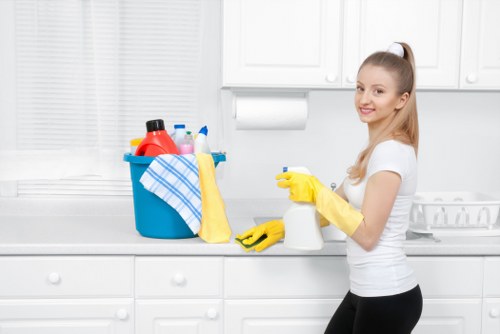 Before any cleaning begins, the work area is checked for obvious hazards such as loose wires, unstable furniture, fragile items, slippery surfaces, or restricted access routes. This initial assessment helps ensure that the carpet cleaning policy is followed in a practical and consistent way. Where necessary, items may be moved carefully, warning signs may be used, and certain areas may be kept clear to reduce the chance of accidents.
Core Safety Principles
Safety begins with preparation. All equipment used for carpet cleaning must be maintained in good working order, inspected before use, and operated according to manufacturer instructions. Electrical tools are checked for damage, and cables are positioned to avoid trip hazards. Water extraction machines, sprayers, and other devices are handled with care to prevent spills, overheating, or misuse.
Cleaning products are selected and used in line with their intended purpose. Only suitable solutions are applied to carpets, upholstery, and related surfaces. Where chemicals are involved, workers follow safe dilution procedures, avoid unnecessary contact, and ensure that ventilation is adequate. This is an important part of any responsible carpet cleaning health and safety approach, especially in occupied or sensitive spaces.
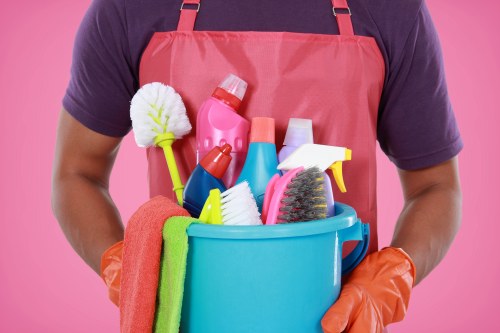 Personal protective equipment may be used when needed. Depending on the task, this can include gloves, non-slip footwear, masks, or eye protection. The purpose is to reduce exposure to irritants, minimise the effect of wet surfaces, and support safer handling of products and equipment. Protective measures are selected according to the conditions present on site rather than used routinely without reason.
Manual Handling and Workplace Conduct
Manual handling is another key consideration in professional carpet cleaning. Lifting equipment, shifting furniture, and moving cleaning machines can place strain on the back, shoulders, and joints if done incorrectly. Staff are expected to use correct lifting techniques, ask for assistance when needed, and avoid carrying loads that are too heavy or awkward. Where possible, tasks are organised to limit repeated strain.
Good workplace conduct also supports safety. Workers are expected to stay alert, avoid rushing, and communicate clearly when moving through shared areas. Children, pets, and non-essential persons should be kept away from active cleaning zones. In addition, any wet surface should be treated as a temporary slip hazard until it is fully dry or otherwise safe to walk on.
Hygiene is an essential part of carpet cleaning procedures. Gloves and cloths should be changed when contaminated, and used materials should be disposed of responsibly. Equipment that has come into contact with dirty water or soil should be cleaned and stored correctly to prevent odour, cross-contamination, or damage. Maintaining clean equipment also helps support reliable results and safer future use.
Risk assessment forms a central part of our safety practice. Each job is reviewed so that likely hazards can be identified and managed before work starts. These may include blocked access, poor lighting, delicate flooring, electrical fittings, or clients with specific health concerns. The level of control used depends on the nature of the site and the tasks involved, ensuring that carpet care is delivered responsibly.
When working with water-based methods, care is taken to avoid over-wetting carpets and surrounding materials. Excess moisture can lead to slippery floors, unpleasant smells, or damage to underlay and adjacent surfaces. Proper extraction and controlled application reduce these risks and support both safety and quality. Drying time should always be considered as part of the overall working process.
Fire safety and emergency readiness are also included within this policy. Flammable materials must be kept away from heat sources, and access to exits must remain clear throughout the job. If a spill, injury, or electrical fault occurs, work is stopped immediately and the situation is made safe before continuing. Prompt reporting and appropriate action are expected in every case.
Training, Supervision, and Responsibility
All personnel involved in carpet cleaning operations are expected to understand the hazards associated with their work and follow safe methods consistently. Training covers equipment use, product handling, manual handling, hygiene, and basic emergency response. Supervision helps reinforce good practice and ensures that safety standards are applied evenly across different jobs and environments.
Responsibility for safety is shared. Management must provide suitable equipment, clear instructions, and a working environment that supports safe practice. Workers must follow the procedures laid out in this policy, report concerns promptly, and take reasonable care for their own safety and that of others. Clients and occupants also play a role by allowing access, keeping the area clear, and following any temporary instructions.
 This policy is reviewed regularly to make sure it remains effective, practical, and aligned with current working conditions. Updates may be made after incidents, changes in equipment, or the introduction of new products or methods. Continuous improvement is important because safe carpet cleaning services depend on attention to detail, accountability, and a commitment to reducing risk.
 In summary, this health and safety policy for carpet cleaning is designed to protect people, property, and working standards through careful planning and responsible action. By combining risk assessment, safe equipment use, good hygiene, and clear procedures, we aim to deliver safe carpet cleaning that is effective, professional, and dependable.
Every task is approached with the same principle: reduce risk, maintain cleanliness, and work with care. This ensures that carpet cleaning safety remains at the centre of the service, supporting a secure and well-managed process from start to finish.